
It’s just a small box, isn’t it? Sitting there on the bathroom counter. A little paper strip, or maybe a tiny digital screen. But for a few suspended minutes, that little object holds your whole world. It holds hope, perhaps a rush of fear, and definitely the weight of a monumental change. For new parents, or those hoping to be, the emotional charge surrounding a simple pregnancy test kit is immense.
We’re here to talk about that kit, not just as a piece of plastic and paper, but as the messenger for one of the most significant pieces of news you will ever receive. It can feel deeply confusing so much information out there, and all you really need is one clear answer. We want to give you all the information you need, presented warmly, so you can feel a bit calmer when it’s time to face the test.
What is the Little Kit Really Looking For?
The simple name for the test kit hides a small scientific miracle. The core thing any pregnancy test kit seeks out is a special hormone called human chorionic gonadotropin, or HCG. You can think of HCG as the body’s tiny, dedicated messenger of pregnancy.
Your body only starts making HCG after a fertilized egg implants into the wall of your uterus, which generally happens about six to twelve days after conception. This hormone is the reason a test works at all. When you take a test, the absorbent strip reacts to the HCG in your urine. If the level is high enough, a positive line or word appears.
It’s wonderful how quickly the body begins preparing for a baby, isn’t it? It just starts sending out this signal almost immediately.
The Agonizing Wait: When to Actually Test
This is where the anxious, human part of the process really hits. We all want to know right now, this instant. But testing too early is the single most common reason people get a confusing result, a false negative.
For the most accurate result possible, waiting until the day after your missed period is what doctors suggest. Why? Because HCG needs time to build up to a detectable level. If you test too early, even if you are pregnant, there might not be enough of the messenger hormone yet for the pregnancy test kit to pick up.
Now, some kits are marketed as “early detection.” They are more sensitive, capable of detecting lower levels of HCG. Perhaps you want to try one of those a few days before your expected period. That’s perfectly fine, but just remember this: a negative result very early on does not necessarily mean you are not pregnant. It might just mean you need to wait a few more days and try again. Sometimes, patience is required, and that is a hard thing to ask for in this situation.
A Quick Note on Timing: Try to use your first-morning urine if you can. It tends to be the most concentrated pee of the day, meaning the HCG has had more time to build up in your bladder. This makes it easier for the test to read, though many modern tests work well any time of day, provided you haven’t been drinking excessive amounts of water right beforehand.
Choosing and Reading Your Kit
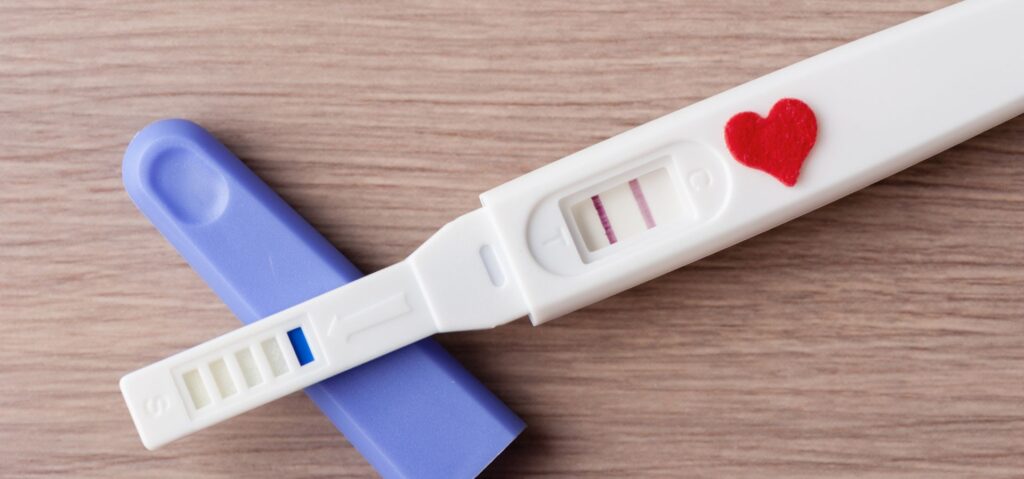
You walk into the store and see a shelf full of options. It can be overwhelming. There are two main categories of home tests:
- Line Indicator Tests: These show a line for “control” (which tells you the test worked) and a line for “test” (which tells you if HCG was found).
- Digital Tests: These display the words “Pregnant” or “Not Pregnant,” and sometimes even an estimate of how many weeks along you are.
While the digital ones are clearer, both types are nearly identical in their accuracy (around 99% when used correctly).
But what about that dreaded faint line? Sometimes, the test line is incredibly pale, and you have to hold it up to the light just so. A very faint line usually is a positive result. It just means your HCG level is still quite low, perhaps because it’s still very early in the pregnancy. However, you must also be careful about “evaporation lines.” If you let the test sit for too long—say, past the ten-minute mark specified in the instructions a faint, colorless line might appear as the urine dries. Always, always check your result within the time window listed on the kit.
When the Test Lies: False Results
A pregnancy test kit is remarkably accurate, but false results can happen. It is good to know why so you don’t panic.
False Negative (The Most Common ‘Oops’): The test says negative, but you are pregnant. This is almost always because you tested too soon. Or, perhaps, you drank a lot of water right before testing, which diluted your urine and the HCG concentration. The solution here is straightforward: wait two days and test again with your first-morning pee.
False Positive (Very Rare, but It Happens): The test says positive, but you are not pregnant. This is much less common, and it can be confusing, unsettling even. The few reasons this can happen include:
- Fertility Medications: Some shots or medications used during fertility treatments contain HCG itself, which can lead the test to read positive even if conception hasn’t occurred.
- Chemical Pregnancy: Sometimes, a fertilized egg implants and produces HCG, but the pregnancy stops developing very early, often before the missed period. This is sad, yes, and can cause a momentary positive test before the period arrives. The body briefly sent out the HCG signal, and the test picked it up.
The Next Steps: That Tiny Stick is Just the Beginning
Whether you see a positive or a negative, the stick is simply a piece of information.
If you get a positive result, take a deep breath. Congratulations. It’s time to call your doctor or healthcare provider. Don’t worry if they can’t see you right away; often the first prenatal appointment isn’t until several weeks after a positive home test. But it is good to get that first appointment scheduled. Start taking prenatal vitamins with folic acid, if you haven’t already. And begin taking gentle care of yourself and the life that is, perhaps, growing within you.
If you get a negative result, and your period still does not come, wait a few days, maybe three, and try again. If you continue to get negative results but still have no period, or if you feel concerned for any reason, please reach out to your healthcare provider.
The journey of parenthood is one of excitement and perhaps a little bit of anxiety, too. That tiny pregnancy test kit is just the quiet, initial point of contact for this beautiful and life-altering experience. Give yourself time and space to process whatever the result may be. You are doing a wonderful job, simply by being thoughtful and caring for your future.