As a parent, there’s a unique kind of worry that comes when your baby runs a fever. It’s not just the high temperature that causes concern—it’s the helplessness, the uncertainty, and the overwhelming desire to make them feel better. But here’s the thing: most fevers are a natural part of your baby’s immune system working to fight off infections. Still, knowing when to worry can make all the difference.
What Is a Fever?
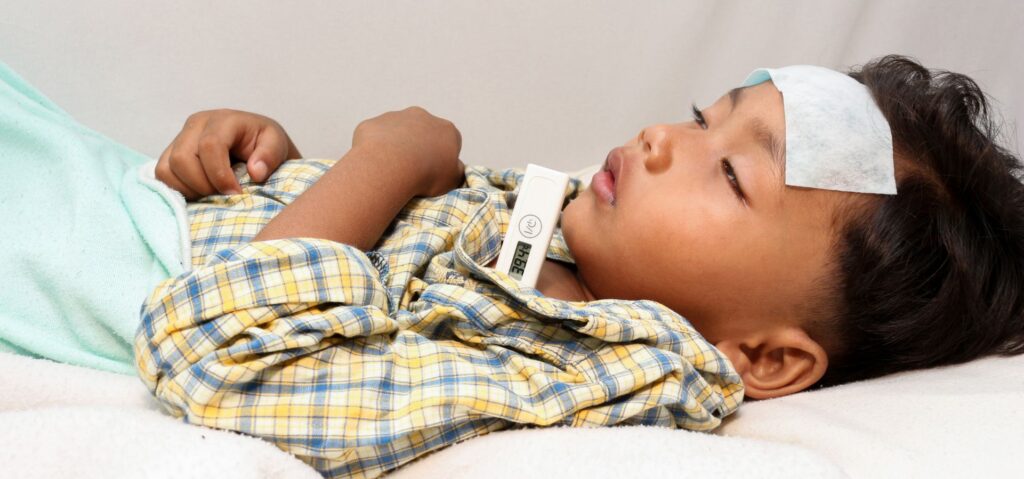
A fever is generally defined as a body temperature above 100.4°F (38°C). It’s a common response to infections, teething, or even vaccinations. However, not all fevers are created equal, and some may require more attention than others.
When to Seek Medical Attention
1. Infants Under 3 Months
If your baby is younger than three months and has a fever, it’s essential to seek medical care immediately. At this age, a fever could indicate a serious infection such as meningitis or sepsis, and prompt evaluation is necessary.
2. Persistent High Fever
A fever that lasts more than five days or reaches 104°F (40°C) or higher warrants immediate medical attention. Such prolonged or high fevers may indicate a more serious underlying condition.
3. Ineffective Fever Reducers
If your baby’s fever doesn’t respond to fever-reducing medications like acetaminophen or ibuprofen, or if the fever returns after medication, consult your pediatrician. This could be a sign that the fever is caused by something more serious.
4. Concerning Symptoms
Seek immediate medical care if your baby exhibits any of the following symptoms along with a fever:
- Extreme lethargy or drowsiness
- Difficulty waking up or unresponsiveness
- Persistent crying or irritability
- Difficulty breathing or rapid breathing
- Seizures
- A rash that doesn’t fade when pressed
- Blue lips, tongue, or nails
- Signs of dehydration, such as fewer wet diapers or dry mouth.
Managing a Mild Fever at Home
If your baby’s fever is mild and they are otherwise healthy, you can manage it at home with the following steps:
- Keep Them Hydrated: Offer breast milk, formula, or an electrolyte solution like Pedialyte.
- Dress Comfortably: Dress your baby in lightweight clothing and keep the room at a comfortable temperature.
- Use Fever Reducers: Administer age-appropriate doses of acetaminophen or ibuprofen, but avoid giving aspirin to children under 16 due to the risk of Reye’s syndrome.
- Monitor Their Behavior: Keep an eye on your baby’s activity level, feeding habits, and overall demeanor.
When in Doubt, Call Your Pediatrician

It’s natural to feel uncertain when your baby has a fever. If you’re ever in doubt about whether to seek medical attention, it’s better to err on the side of caution. Your pediatrician is there to help and can provide guidance tailored to your baby’s specific situation.