
Holding your baby for the first time changes everything, doesn’t it? That tiny, perfect weight in your arms comes with a deep, silent hope, the wish to give them the best possible start. It is an honest, sometimes scary, feeling to know that this small person relies on you for everything.
You find yourself staring at them, wondering: Are they doing what they should? Is this gurgle a sign of something good? You read all the books, see the charts, and maybe feel a little pressure about whether they hit that ‘milestone’ this week or next.
Let us try to set aside the clinical checklists for a moment. Child development is not just a list of skills your baby checks off. It is an amazing, deeply personal conversation between you and your child, built one day at a time. It is less about a perfect schedule and more about creating a loving, safe space for their whole self to grow.
Thinking Beyond the Milestones: The Four Corners of Growth
When doctors talk about child development, they often break it down into areas: how a baby moves, how a baby thinks, and so on. But it is much easier, perhaps, to see your child’s growth as four interconnected parts, all needing your touch:
- The Body: This is the physical stuff, the first roll, the shaky first step, picking up a tiny piece of food with two fingers. They gain strength, their balance gets better, and they learn how their body works in the world. It needs food, rest, and plenty of free space to kick and explore.
- The Mind: This is about learning, thinking, and solving small problems. It is the curiosity they show when they look at a brightly colored toy or the way they start to understand that when they drop a spoon, you pick it up. They learn cause and effect. They start to use words.
- The Heart (Social-Emotional): This one is arguably the most vital. It is how they feel emotions, how they learn to manage big feelings, and how they connect with other people. This is where your love shapes them most of all. A child’s ability to soothe themself later in life often comes from how much they were soothed by you now.
- The Spirit (Meaning and Purpose): This part sounds big for a baby, but it is true. It is about a sense of who they are, their confidence, and their place in your family and the wider world. This is where they feel secure enough to try something new, fail, and still know they are loved.
Every single thing your baby does cooing at the ceiling, trying to grab your finger helps all four of these areas grow at once. You cannot separate them; they grow together, much like the roots and branches of a tree.
What Your Child Needs Most: To Be Seen, Soothed, and Secure
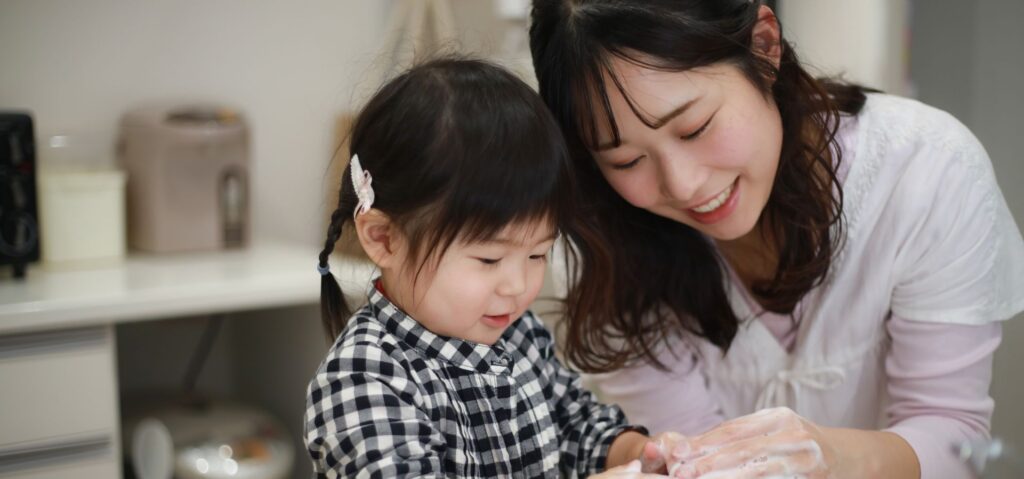
Your presence is the most powerful tool you have for supporting their child development. What matters is not just what you do, but how you are with them. Experts agree that a child thrives when they feel:
- Seen: When your child is sad, angry, or happy, you notice it. You name the feeling, even if they cannot understand the word yet. “You are upset right now, I see. That is a big cry.” This tells them their inner world is real and matters.
- Soothed: When they are in distress, you comfort them. This does not mean you stop all their crying instantly. It means you hold them close, talk to them softly, or rock them. They learn that discomfort ends, and that you are the person who brings the calm back.
- Safe and Secure: This comes from consistency. They know the rhythm of the day a routine, maybe a bath at the same time, the same lullaby before bed. This predictability creates a strong sense of safety. They trust you will be there.
Sometimes, in the chaos of new parenthood, you might not respond perfectly. You will be tired. That is okay. Your baby learns from the times you miss the mark, too, and then come back to try again. The point is not perfection; it is connection.
The Special Balance for Asian Parents: Love Through Action
For many of us new parents in Asia, the way we express deep love might be a little different from what Western parenting books talk about. You see, our culture often expresses care through practical acts, through guidance, and through setting a strong structure for success.
In some traditions, this deep care is known as Guan, which means “to care for” and “to love,” but it can also mean “to govern.” This is important to think about. When a parent emphasizes education or insists on good manners and hard work, they are showing their love in a very real, tangible way. They see structure and protection as acts of pure affection.
It can be a tricky balance. You give everything to provide the best future for your child, perhaps by sending them to the best school or making sure they have every material thing they need. But remember, the heart needs attention too. The same care you put into finding a good school, you need to put into simply sitting on the floor and making funny noises with them.
Providing excellent food and educational chances is a form of love. It is a big one. But pair that quiet, hardworking love with a few minutes of just pure, silly, emotional connection every day. That is the true power.
Simple Acts, Huge Impact: Your Daily Playbook
You do not need fancy toys or complicated schedules to support their child development. The simple things you do are the most powerful.
- Talk, Talk, Talk: Speak to your baby constantly. Name things around the house. Use your language, your mother tongue. Tell them about your day. Even if they cannot speak back, they are building a map in their brain for language. Respond to their coos and babbles like it is the most interesting conversation you have ever had.
- The Power of Touch: Physical contact—cuddles, cheek rubs, a little massage after a bath calms your baby and helps build that secure attachment. It lowers their stress levels and tells their body, “I am safe.”
- Read Any Book: Find simple, bright books and read to them every single day. They might chew on the cover, or they might seem interested for only thirty seconds. That is fine. Just the sound of your voice and the sight of you holding the book helps their brain grow and connects reading with comfort.
- Let Them Be the Boss (Sometimes): As they grow into toddlers, let them lead the play. If they are banging two blocks together, sit there and bang two blocks together, too. If they try to stack a tower and it falls, resist the urge to fix it quickly. Let them try again. This helps them feel competent, like they have agency, which is huge for their later self-worth.
Your own mothering or fathering experience is unique. You will figure things out that no book could ever tell you. Trust that the immense love you feel is the best guide you will ever have. It may feel tiring, it may feel confusing, but every time you pick them up, read a story, or just smile back at their reflection, you are building a whole person. And honestly, what could be more rewarding than that?